
Uzbekistan’s role as a hub for electric mobility in Central Asia has strengthened in recent years as the Uzbekistan EV Market experiences rapid growth in both imports and sales. The rising popularity of electric vehicles reflects government incentives, expanding infrastructure, and shifting consumer preferences toward cleaner transport. Authorities and industry analysts see this trend as a key part of Uzbekistan’s broader climate and economic strategies.
Electric Vehicle Adoption and Import Trends
Record Import Growth in 2025
The Uzbekistan EV Market recorded significant increases in electric vehicle imports throughout 2025. Between January and September 2025, Uzbekistan imported more than 40,345 electric vehicles, nearly 2.5 times the number imported during the same period in the previous year. Chinese manufacturers dominated the supply, delivering nearly 39,798 units, with additional contributions from Hong Kong, South Korea, Germany, and the United States.
Earlier figures show that from January to October 2025, total EV imports reached more than 47,000 units, doubling figures from the same period in 2024. This surge highlights strong demand for eco‑friendly transport as gasoline and hybrid vehicle imports declined sharply.
Surpassing Traditional Vehicles
The popularity of electric vehicles in the Uzbekistan EV Market is also evident in overall import patterns. In 2024, EV and hybrid passenger car imports together exceeded those of traditional gasoline vehicles, with around 24,095 EVs and 17,480 hybrid models brought into the country.
This trend accelerated in 2025, when electric cars accounted for more than half of all passenger car imports for extended periods, especially in months when EVs made up nearly 70% of all new vehicle imports.
Registered EVs and Market Distribution
By October 1, 2025, Uzbekistan had more than 86,000 registered electric vehicles, representing a rising share of the national auto fleet. The capital city, Tashkent, alone accounted for most of these registrations, with nearly 65,000 EVs reported.
According to the National Statistics Committee, the number of electric cars nationwide increased markedly in 2025, with figures around 73,600 registered EVs by mid‑year. Tashkent dominated regional distribution, while provinces such as Samarkand, Khorezm, and Kashkadarya also saw steady growth in electric car registrations.
Infrastructure and Consumer Demand
Charging Network Expansion
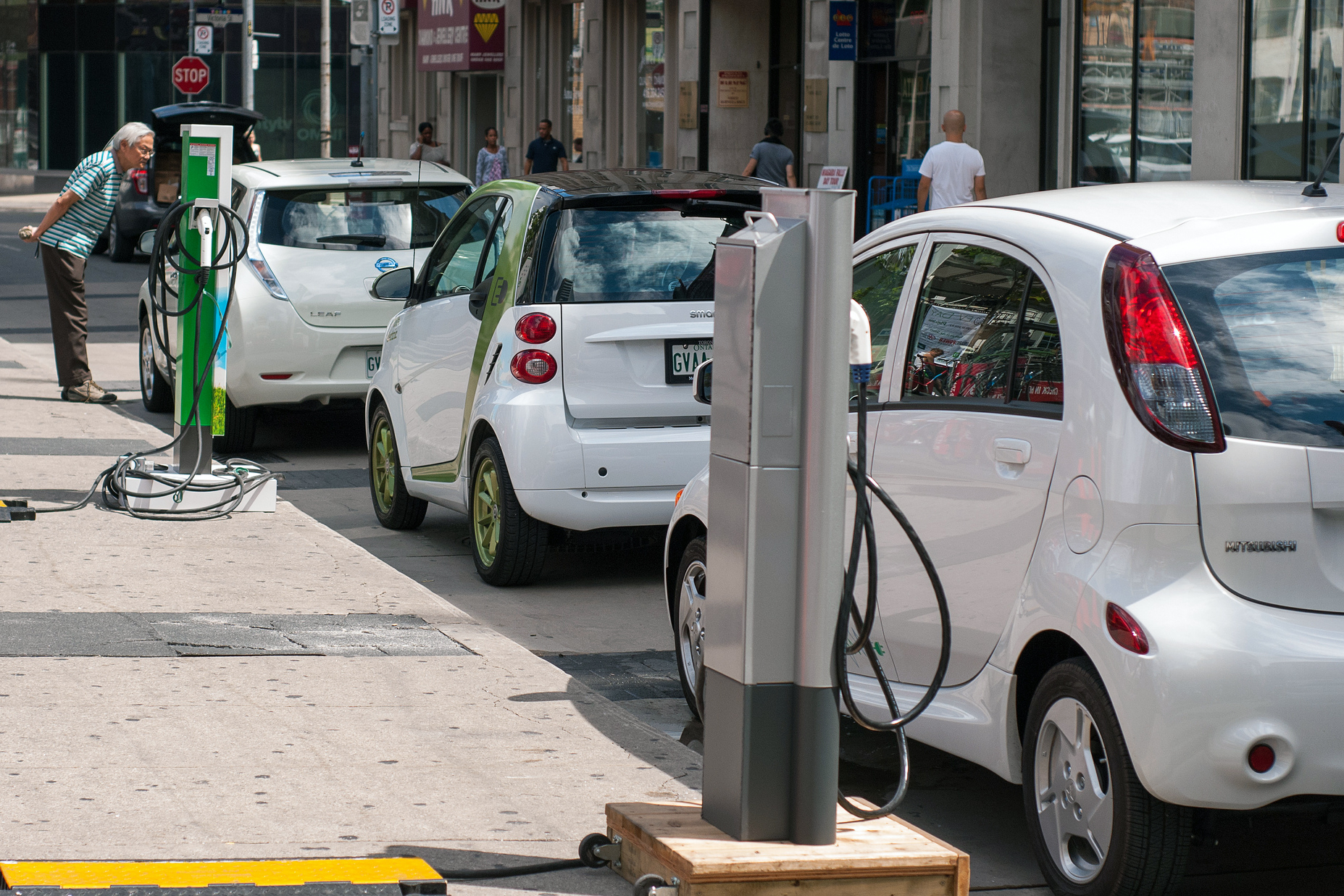
To support the growth of the Uzbekistan EV Market, the charging infrastructure has expanded rapidly. Data shows that the number of EV charging stations increased more than 2.5 times year‑on‑year, reaching nearly 1,400 stations nationwide by mid‑2025. The capital and surrounding regions house the majority of these chargers, serving tens of thousands of registered EV users.
This infrastructure development is essential for boosting consumer confidence, enabling longer trips, and facilitating broader adoption beyond urban centers.
Rising Consumer Sales
Demand for electric vehicles in Uzbekistan is also rising alongside overall auto sales. Total vehicle sales in 2025 grew by about 6.1%, with EV demand surging 35%, highlighting the growing appeal of electric transport as part of everyday mobility.
Government Policies and Future Targets
The government of Uzbekistan has introduced a series of incentives to stimulate the Uzbekistan EV Market and encourage adoption:
-
Excise duties, customs fees, and vehicle taxes are waived for most EV imports.
-
Preferential car loans are offered for locally produced and imported electric vehicles.
-
Subsidised charging costs and incentives for infrastructure developers aim to make EV ownership more accessible.
-
EV taxis and commercial electric transport enjoy targeted support measures to enhance fleet electrification.
2030 EV Penetration Goals
Under the updated Uzbekistan‑2030 strategy, the goal is for electric vehicles to make up approximately 10% of the country’s passenger car fleet by 2030. Targets are set incrementally — from under 2% in 2026 to around 7% by 2029 — reflecting a structured approach to increasing adoption while building supporting infrastructure.
This long‑term vision aligns with efforts to improve air quality in urban areas, reduce reliance on fossil fuels, and position Uzbekistan as a leader in sustainable mobility in Central Asia.
For the latest developments, insights, and expert commentary on electric mobility in the region, check out AsiaCarNews for ongoing coverage of electric vehicles and transport trends.
How do you think the Uzbekistan EV Market can accelerate further — more incentives, better charging infrastructure, or stronger local manufacturing? Comment below and share your thoughts on the future of electric transport!