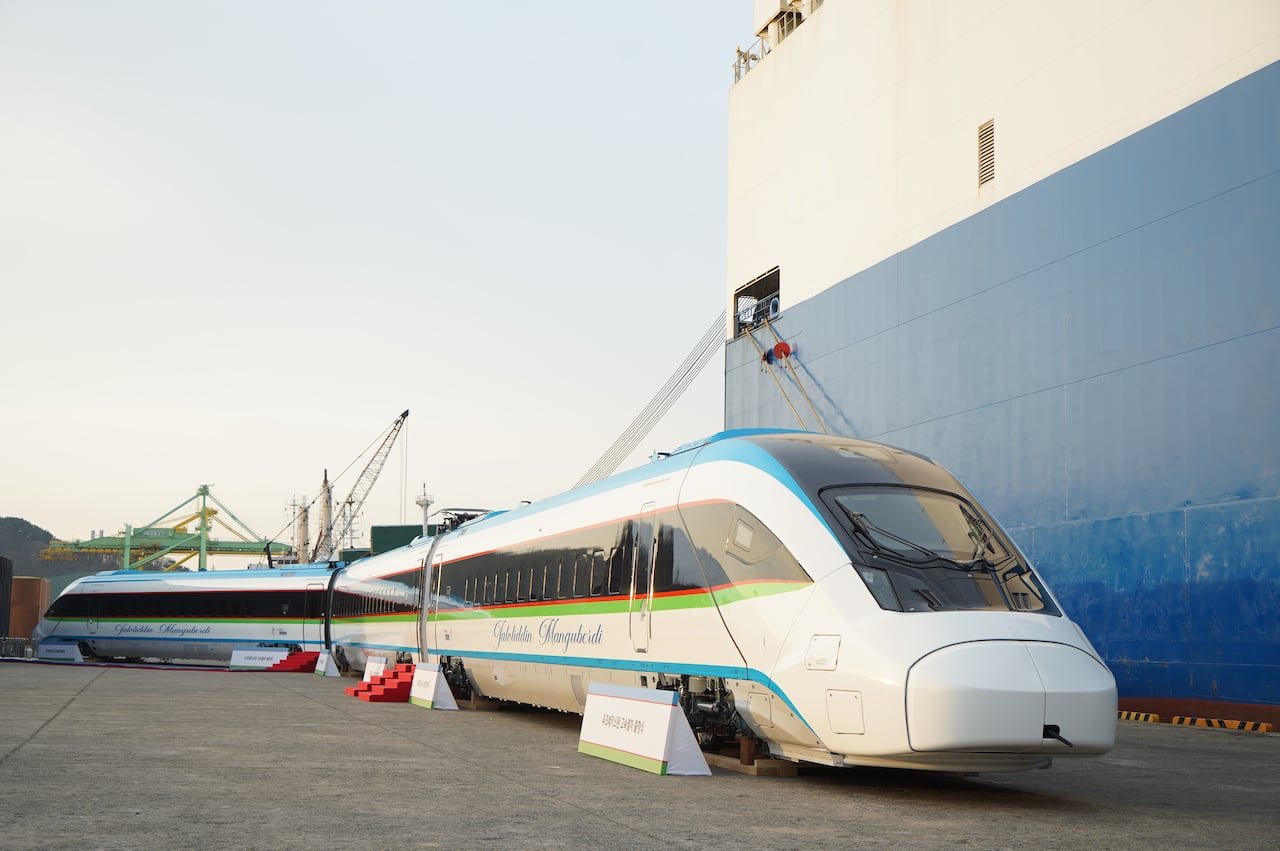

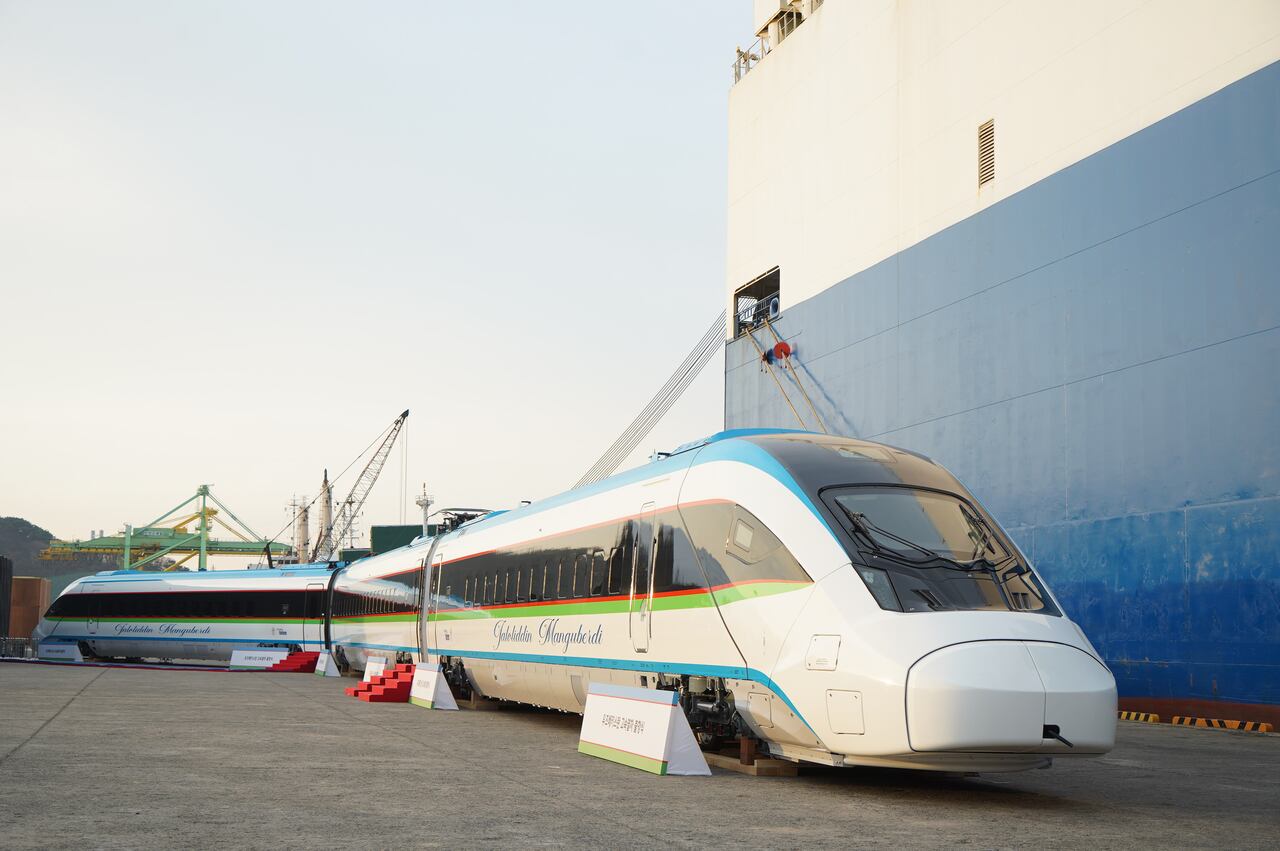
The transport landscape in Uzbekistan is entering a revolutionary phase with the official arrival of the first batch of advanced high-speed trains. This massive upgrade to the Uzbekistan Railways fleet marks a significant milestone in the nation's goal to modernize its domestic travel and logistics. As we approach 2026, these South Korean-engineered marvels are set to redefine how residents and tourists navigate the historic Silk Road routes.
The arrival of the Jaloliddin Manguberdi train represents a technical leap forward for the Central Asian region. Manufactured by Hyundai Rotem at their facility in South Korea, these high-speed electric trains are designed to withstand the unique climatic conditions of the steppe while maintaining peak efficiency. For years, the journey between the capital and the ancient city of Khiva has been a test of endurance, often taking up to 14 hours on standard rail services. However, starting in 2026, the new Tashkent–Khiva route will slash that travel time nearly in half, completing the trip in just 7 hours and 40 minutes. This drastic reduction in travel time is expected to spark a massive boom in the Uzbekistan tourism sector, making remote historical sites more accessible than ever before.
The strategic partnership with Hyundai Rotem was solidified in June 2024, involving the purchase of six state-of-the-art trainsets. These trains utilize distributed power technology, which allows for faster acceleration and better energy efficiency compared to traditional locomotive-hauled carriages. This shift toward modern rail technology is a cornerstone of the infrastructure initiatives led by President Shavkat Mirziyoyev. By integrating these bullet trains into the national network, the government is not only improving passenger comfort but also reducing the carbon footprint of the transportation sector. For those interested in how these developments affect the local market and economy, checking the latest updates on our blog provides deep insights into the evolving landscape.
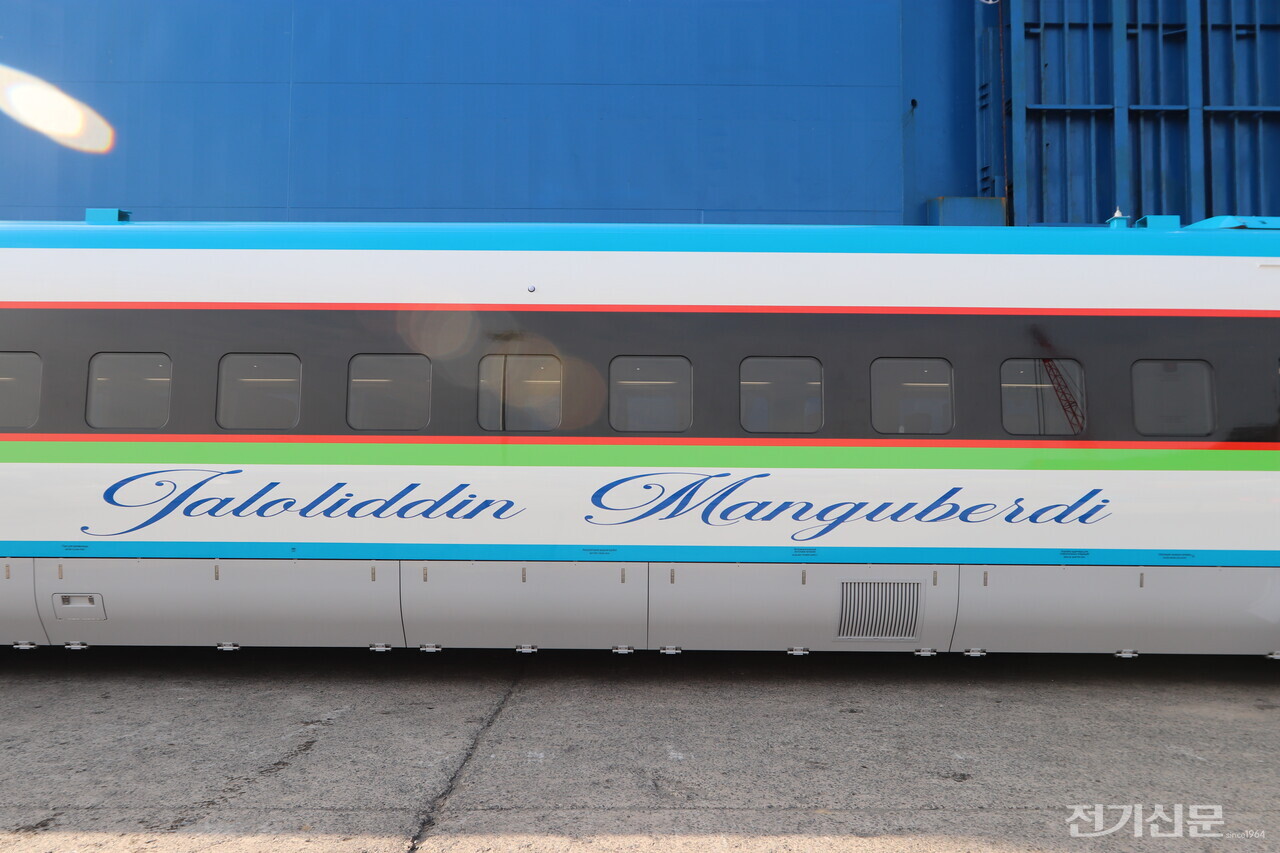
Connectivity is the primary driver behind this multi-million dollar investment. The Jaloliddin Manguberdi brand pays homage to a legendary national hero, symbolizing strength and speed. Beyond the symbolism, the practical benefits are immense. Business travelers will find it easier to commute between major hubs, and the logistics of Uzbekistan transport will become more fluid. The focus is often on the road, the synergy between high-speed rail and the automotive industry is undeniable too. Improved rail links often lead to better-integrated transport hubs where car rentals and local transit thrive. You can explore more about these connections by reading our recent features at our blog.
As the first units are shipped from Masan Port in Changwon, the technical teams in Tashkent are preparing for rigorous testing phases. These Korean high-speed trains must undergo local certification to ensure they meet the safety standards of the Uzbekistan Railways network. This collaboration also includes knowledge transfer, as local engineers will be trained by South Korean experts in maintaining high-tech rolling stock. For a broader perspective on how these international partnerships are shaping global transit, you can visit the Hyundai Rotem's official site.
The year 2026 will be remembered as the year travel within the country became truly world-class. With the Jaloliddin Manguberdi leading the charge, the era of slow, overnight desert crossings is coming to an end. We are witnessing the birth of a more connected, efficient, and modern nation. What do you think about this massive upgrade to our rail system? Will the 7-hour trip to Khiva encourage you to travel more often within our borders? Share your thoughts in the comments below! If you enjoyed this update, consider reading our other articles on our blog regarding the future of infrastructure and new vehicle technology in the region.