
Uzbekistan’s rapid motorization, with millions of cars now on the road, has brought Fuel Efficiency into sharp focus, especially as the government works to transition away from heavily subsidized, lower-grade fuels. While public policy addresses the supply side, drivers hold a powerful tool for savings in their hands: Optimal Rolling Resistance management. This comes down to two simple, often-neglected maintenance tasks: checking tire pressure and maintaining proper wheel alignment.
In a country where Vehicle Maintenance Costs are already substantial—with billions of som spent annually on repairs—preventative care related to tires offers one of the highest returns on investment. This is critical in the Central Asian Climate, where large temperature swings and varied road conditions place constant stress on vehicle components.
The Unseen Power of Optimal Rolling Resistance
Optimal Rolling Resistance refers to the force opposing the motion when a tire rolls on a surface. It is the second-largest drain on fuel after aerodynamic drag. Both underinflation and misalignment dramatically increase this resistance, forcing the engine to burn more fuel to cover the same distance.
1. Tire Pressure and Fuel Efficiency
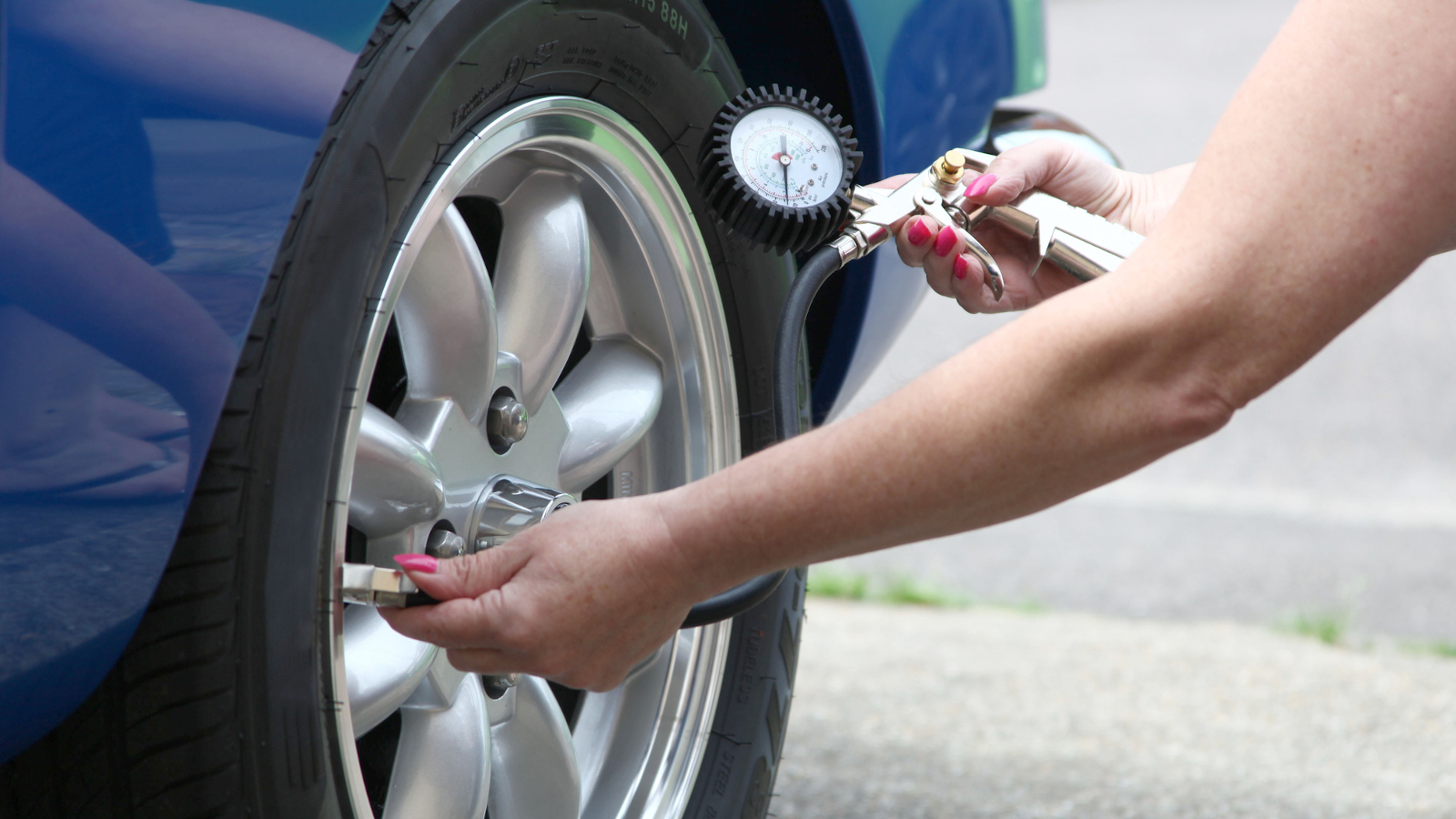
Underinflated tires are responsible for a noticeable drop in Fuel Efficiency. When pressure is too low, the tire bulges, increasing the contact patch with the road. This greater deformation requires more energy to keep the tire rolling. Studies show that underinflation by even 25% of the recommended level can increase fuel consumption by 2-5%. In a market like Uzbekistan, where long-distance travel across regions is common, this wastage accumulates rapidly. Furthermore, underinflation generates excessive heat, a dangerous risk in the scorching summers, and leads to premature, uneven tire wear, directly translating to higher Vehicle Maintenance Costs. Therefore, regular checks are crucial for maintaining Optimal Rolling Resistance.
Wheel Alignment: The Scourge of Scrubbing
Wheel alignment, particularly the toe angle, dictates the direction the wheels are pointing. When the alignment is off (toe-in or toe-out), the tires "scrub" sideways instead of rolling straight. This effect is akin to dragging the vehicle, a major source of unnecessary friction and wasted energy.
Misalignment is often caused by impacts from potholes or general wear and tear, a common reality on varied roads in the Central Asian Climate. Severe misalignment can reduce Fuel Efficiency by up to 10% or more, while drastically shortening tire life by causing rapid, uneven wear on the shoulders or inner edges. For drivers, this means not only more money spent at the fuel pump but also earlier and more frequent tire replacement expenses. Regular checks and adjustments of alignment are non-negotiable for Optimal Rolling Resistance and preserving the lifespan of expensive tire sets.
Ultimately, achieving a national standard for Fuel Efficiency relies heavily on driver awareness. Tools like Tire Pressure Monitoring systems are essential, but a basic monthly check with a pressure gauge and immediate attention to handling issues are the most effective, low-cost steps for any driver in Uzbekistan seeking to reduce their Vehicle Maintenance Costs and contribute to the overall Kazakhstan Green Economy goals. For those looking at ways to maintain their cars efficiently, resources on global vehicle care best practices, such as those found at AsiaCarGroup, can offer valuable preventative advice.
Between correcting tire pressure (which is free) and getting a professional wheel alignment (which has a cost), which task do you think the typical driver in Uzbekistan is most likely to neglect, and why? Share your perspective on achieving Optimal Rolling Resistance below!